Not every problem means the end of the road
Let's get one thing straight: “unbuildable” is a word people throw around loosely. Sometimes it means the parcel is genuinely off-limits for construction. Sometimes it means there's a fixable obstacle that nobody bothered to evaluate properly.
The difference between those two situations can be worth tens or hundreds of thousands of dollars. So it's worth understanding what actually makes land unbuildable in Washington, and when the label is premature. If you haven't purchased yet, read our guide on how to know if land is buildable before you buy.
The real reasons properties get flagged as unbuildable
Wetlands and critical areas
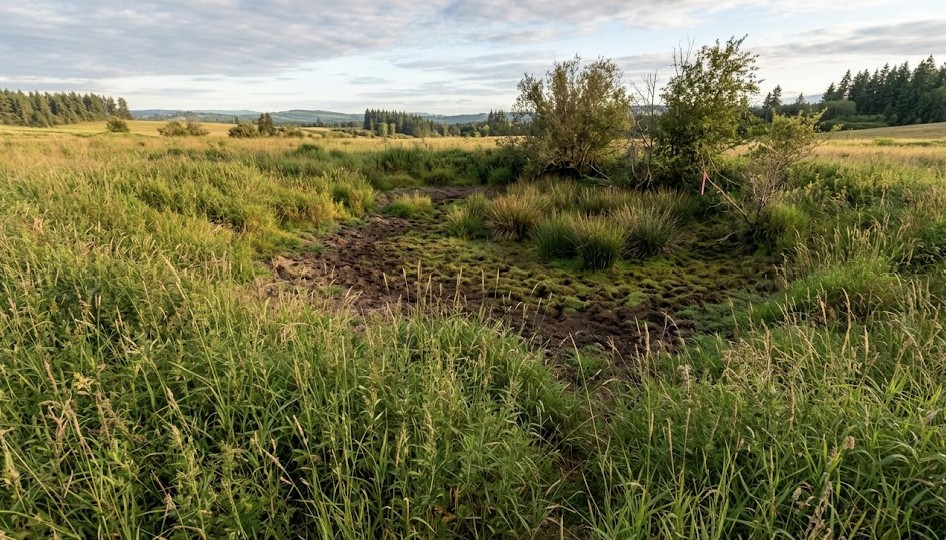
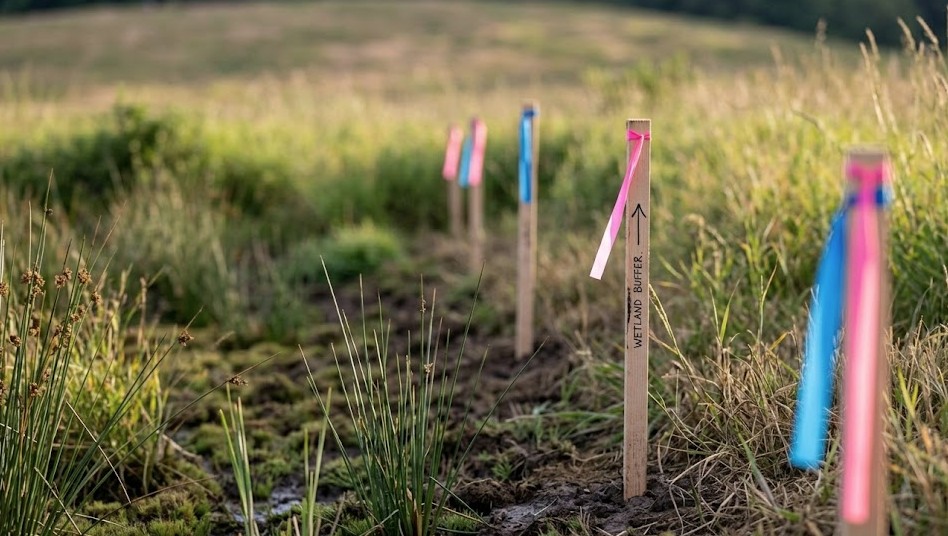
Washington protects wetlands, streams, steep slopes, fish habitat, and frequently flooded areas under the Growth Management Act. If your parcel contains or sits adjacent to a designated critical area, buffers will apply. Those buffers can be 25 feet, 50 feet, 100 feet, or more depending on the feature and the county.
On a small lot, a wetland buffer can eliminate the entire buildable area. On a larger parcel, it might just push the building envelope to a less convenient spot. In Snohomish County, a Category II wetland triggers a 100-foot buffer. That's a lot of unusable land on a one-acre lot.
But here's the thing: sometimes wetland boundaries haven't been formally delineated. A professional environmental review might reveal the actual wetland is smaller than what the county's map shows. That changes the math.
Septic system failure
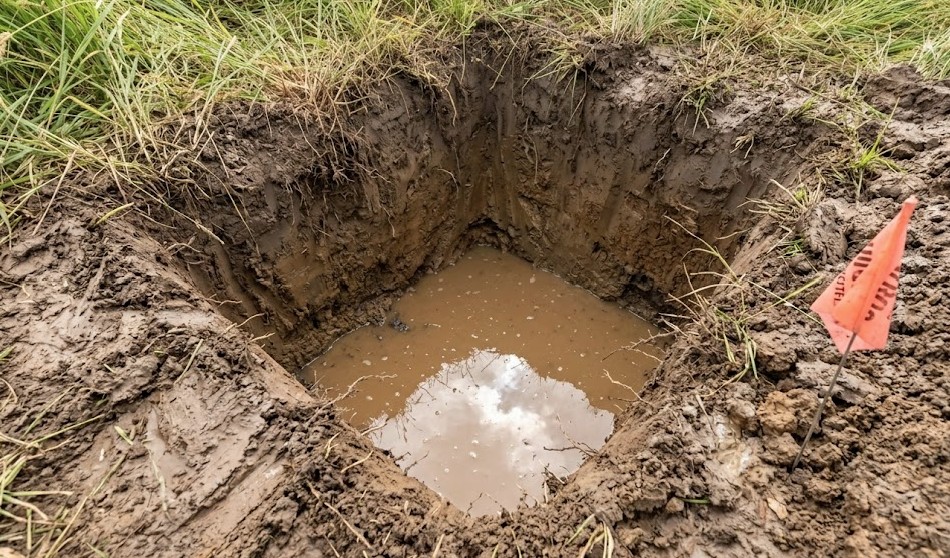
When a parcel can't support a septic system — conventional or engineered — it's often considered unbuildable if there's no sewer connection available.
Septic failure can happen for several reasons: the soil doesn't drain at an acceptable rate, groundwater is too high, the lot is too small for the required drain field setbacks, or the topography doesn't support proper effluent dispersal.
In parts of Pierce County and rural Kitsap County, marginal soils are common. Some parcels that fail a standard gravity system can still support an engineered or pressurized system through our septic services, though at higher cost.
If you've been told a parcel “failed perc,” ask whether only a gravity system was tested. Engineered septic systems — like sand mounds, pressure distribution, or advanced treatment units — can sometimes work where conventional systems can't. The cost is higher, but it may save the project.
No legal access
You'd be surprised how many parcels in Washington lack legal road access. These are landlocked properties, sometimes created by historical subdivisions that didn't follow modern access standards.
Without recorded legal access — either public road frontage or a deeded easement — you can't get a building permit in most Washington counties. Period.
This is especially common in rural areas where land has been subdivided informally over decades. A parcel in rural Lewis County might be accessible only through a neighbor's field, with no recorded easement. Land surveys confirm easement boundaries and access rights before you commit.
Steep slopes
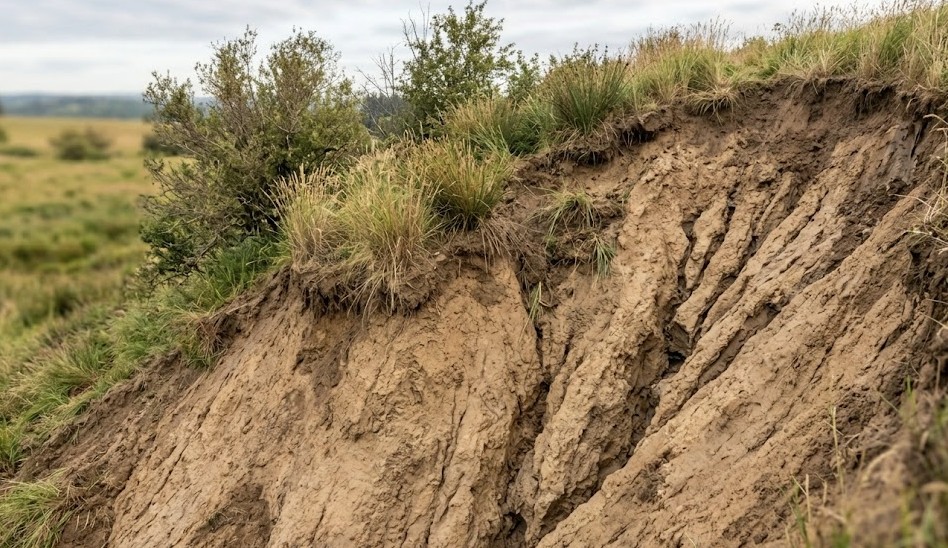
Counties across Washington classify slopes as critical areas when grades exceed certain thresholds, commonly 15% to 40% depending on the jurisdiction. Building on steep slopes requires geotechnical analysis and sometimes triggers additional environmental review.
In some cases, the slope is simply too severe. A lot with 40% or greater slopes across the majority of the site may not have a stable, buildable pad area.
Parcels in the Cascade foothills, around parts of Tacoma's hillside neighborhoods, and along the Columbia Gorge often face slope-related restrictions. Structural engineering can sometimes solve what looks like an impassable slope problem.
Zoning that prohibits residential use
Sometimes a parcel is zoned for something other than residential. Agricultural, forestry, commercial, or industrial zoning may not permit a single-family home.
Rezoning is possible in some cases but rarely quick or guaranteed. It typically involves a public process, county review, and alignment with the local comprehensive plan. In other words, it's a gamble with months of timeline attached.
Utility distance
If power, water, or sewer are prohibitively far away, the cost of extending utilities can make a project financially unbuildable even if it's technically permitted.
A parcel that requires $60,000 in power line extension and a $25,000 well, on top of construction costs, may not work within the owner's budget. Technically buildable; practically unbuildable.
Flood zones and shoreline restrictions
Parcels in FEMA-designated flood zones face special construction requirements: elevated foundations, flood-resistant materials, and additional insurance costs. Some areas within floodways are restricted from new construction entirely.
Shoreline parcels in Washington are regulated under the Shoreline Management Act, which imposes setbacks and use restrictions that vary by county and shoreline classification.
A parcel in a flood zone isn't automatically unbuildable. But the additional requirements — elevated construction, flood insurance, and engineering — add costs that many buyers don't budget for. Know the flood zone designation (A, AE, V, X) before you calculate your total project cost.
When “unbuildable” is actually “unexplored”
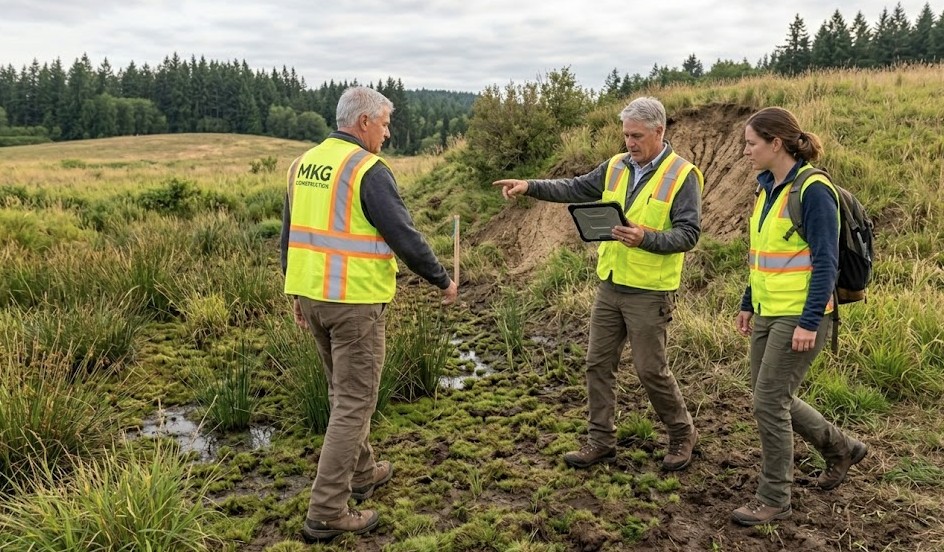
Some parcels get labeled unbuildable because the previous owner hit one obstacle and stopped. Maybe a gravity septic test failed, but nobody explored engineered alternatives. Maybe a wetland buffer looked prohibitive, but nobody did a formal delineation.
A real feasibility study doesn't just identify problems. It asks whether those problems have solutions.
That's a meaningful distinction. MKG Construction has seen parcels dismissed as unbuildable that turned out to have viable options — once someone looked at the full picture instead of stopping at the first complication.
When the answer is genuinely “no”
Some parcels really can't be developed. A half-acre lot that's entirely wetland. A landlocked parcel with no legal mechanism for access. A site where slope, soil, and critical areas leave no buildable footprint.
In those cases, the value of a feasibility study is that it tells you early. Before you've spent on design. Before you've applied for permits. Before you've emotionally committed to a plan that the site won't support.
Knowing early saves money. That's the point.
Wondering whether your Washington property is actually unbuildable — or just needs the right evaluation? MKG Construction's feasibility studies look at the full picture: wetlands, septic, access, slope, zoning, and utilities. Clear answers. No hidden fees. Milestone-based payments.
Book a consultation