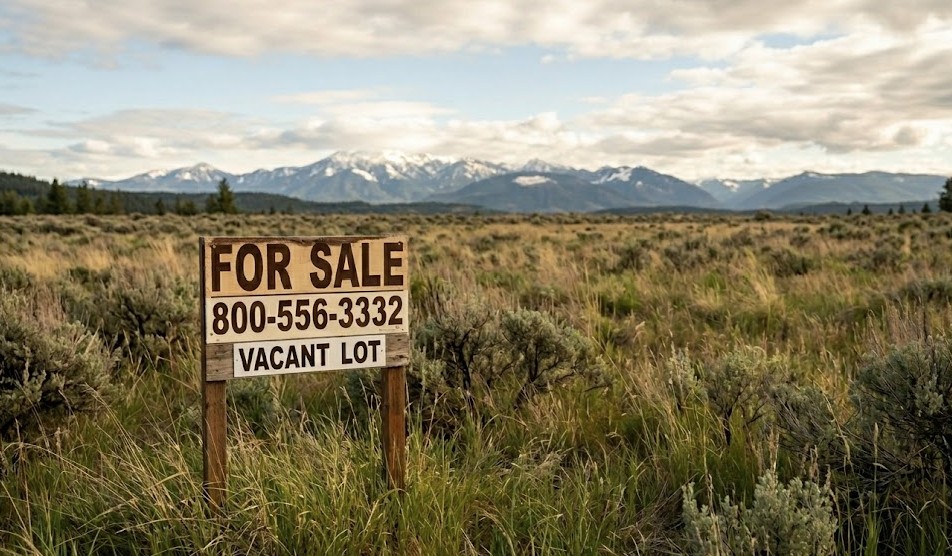
The $25,000 parcel that cost $200,000 to develop
The listing price was $25,000 for 2.5 acres in rural Lewis County. For a buyer dreaming of a small homestead, it looked like a steal.
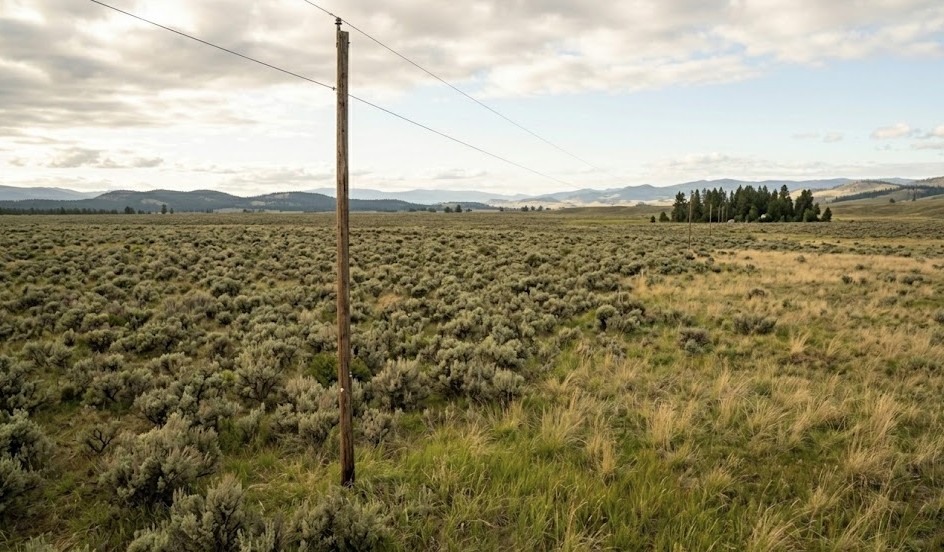
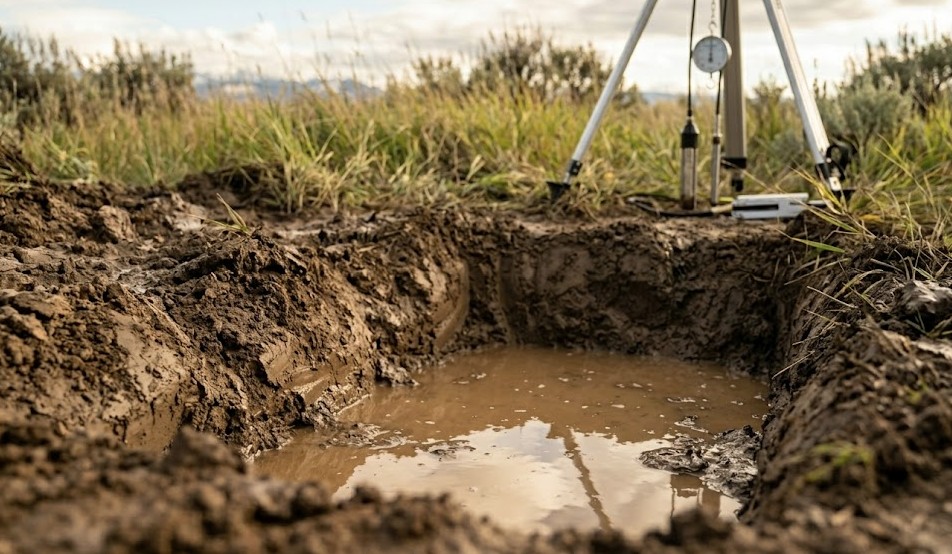
Then the reality showed up. The lot was landlocked with no recorded access easement. The nearest power line was 2,100 feet away. The soil failed a standard perc test. The topographic survey revealed a 25% slope across most of the buildable area.
To make the property work, the buyer would need to negotiate an access easement (legal fees), extend power ($55,000 estimate), install an engineered mound septic system ($30,000+), grade a building pad on the slope with a retaining wall ($40,000+), drill a well ($15,000 to $25,000), and build a driveway up steep terrain ($20,000+).
Added to the $25,000 purchase price, the total land cost was approaching what a developed lot would have sold for nearby. This isn't an outlier story. It's the story cheap land tells over and over in Washington.
Why cheap land is cheap
Land in Washington is priced by the market. And the market knows things.
When a parcel is priced significantly below comparable lots in the area, there's usually a reason. Sometimes several reasons.
The most common ones: no legal road access, no utilities nearby (or utilities are very expensive to extend), poor septic conditions, environmental constraints that reduce or eliminate the buildable area, extreme slope, flood zone designation, zoning that restricts residential development, and title issues like liens or disputed boundaries. Understanding what makes a property unbuildable in Washington gives you a clearer lens for reading a cheap listing.
Sellers aren't always hiding these problems. Sometimes they don't know about them. Sometimes the problems weren't discovered because nobody did a feasibility evaluation. Sometimes the seller bought the land themselves and is trying to cut losses.
But the price is a signal. A low price on Washington land almost always means there's a reason the land isn't worth more.
If a parcel is priced 30% or more below comparable lots in the same area, that discount is probably not a seller being generous. It's the market pricing in a problem that the listing doesn't mention. Find out what the problem is before you celebrate the deal.
The costs that don't show up in the listing
Utility extension
Power companies charge by the foot. If your parcel is a quarter mile from the nearest transformer, you could be looking at $30,000 to $80,000 or more just for electrical service. Water wells in parts of eastern Washington can run $15,000 to $30,000 depending on drilling depth. Internet service in remote areas might require satellite or fixed wireless setups.
None of this appears in the listing.
Access road construction
If the parcel doesn't have road frontage, you'll need to build a driveway. On flat, clear land, that might be a few thousand dollars. On steep, wooded terrain? $15,000 to $50,000 depending on length, grade, and drainage requirements.
Some counties require driveways to meet fire department access standards, which include minimum width, turnaround areas, and grade limits. That adds to the cost. Horizontal construction covers this type of site work.
Engineered septic systems
When conventional gravity septic isn't feasible, engineered alternatives like sand mounds, pressure distribution, or advanced treatment units can work. But they cost two to four times what a standard system costs. A gravity system might run $8,000 to $15,000. An engineered system can easily hit $25,000 to $40,000. Our septic services team evaluates the best viable option for your site.
Environmental mitigation
If your parcel has wetlands, you might need a delineation study ($3,000 to $8,000), a habitat assessment, or a mitigation plan. These aren't optional if the county requires them. And the mitigation itself, if you're affecting a buffer, can add significant cost.
Slope remediation
Steep terrain means grading, retaining walls, erosion control, and potentially engineered foundations. Each of these is a real line item that can add $20,000 to $60,000 or more depending on the site.

When evaluating cheap land, add up the estimated site development costs and add them to the purchase price. Then compare that total to what a developed lot in a similar area costs. If the numbers are close — or the raw land total is higher — the “deal” isn't a deal.
The emotional trap
Cheap land appeals to emotion. It feels like an opportunity. Like you're getting something others missed.
That emotional pull makes it harder to walk away when problems surface. People convince themselves the access issue is solvable, the septic situation will probably work out, the utility cost isn't that bad. They've already pictured the house. They've told friends and family.
The antidote is information. Real information from a feasibility study, not hopeful assumptions based on listing photos.
How to protect yourself
Three steps.
Ask why it's cheap. Look at comparable parcels in the area. If similar lots are selling for two or three times more, find out what those lots have that yours doesn't. The answer is usually utilities, access, sewer, or site conditions.
Make any offer contingent on a feasibility study. This gives you a professional evaluation of what the site actually needs before you're locked into the purchase. See our guide on what to check before buying vacant land for the full due diligence picture.
Add site development estimates to the purchase price. The real cost of the land isn't the purchase price. It's the purchase price plus everything needed to make it buildable. Compare that all-in number to developed lots in the area.
MKG Construction helps you see the real cost before you buy
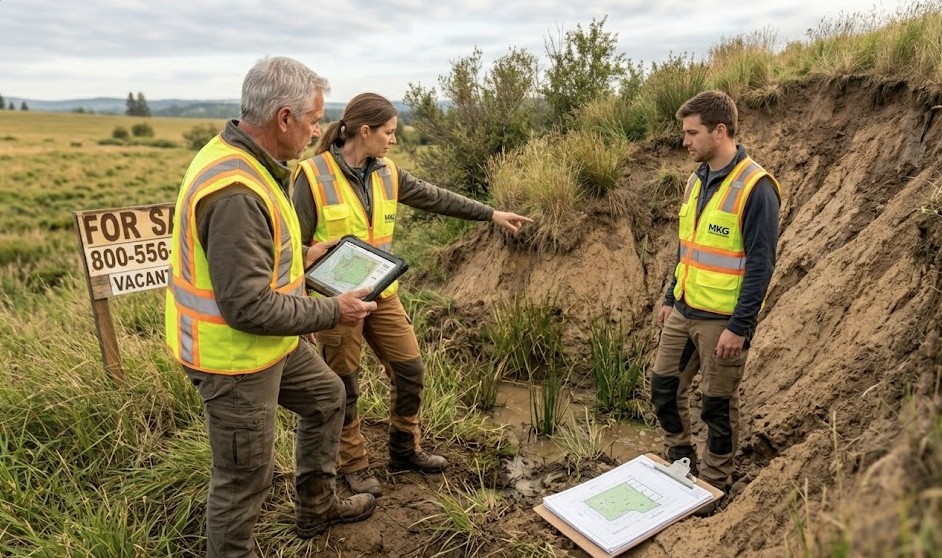
MKG Construction provides feasibility studies for landowners and buyers across Washington State. If you're looking at a parcel and the price seems too good to pass up, let us evaluate it first.
We'll assess zoning, septic, utilities, access, environmental constraints, and slope. We'll give you a realistic picture of what site development will involve, so you can make a budget decision based on facts.
Transparent pricing. Milestone-based payments. No hidden fees. Exactly the approach you should demand from your land evaluation too.
Found cheap land in Washington that seems too good to pass up? Make sure you know the real cost before you commit. MKG Construction's feasibility studies uncover the site development costs that listings don't mention. Transparent pricing. No hidden fees.
Get clear answers